
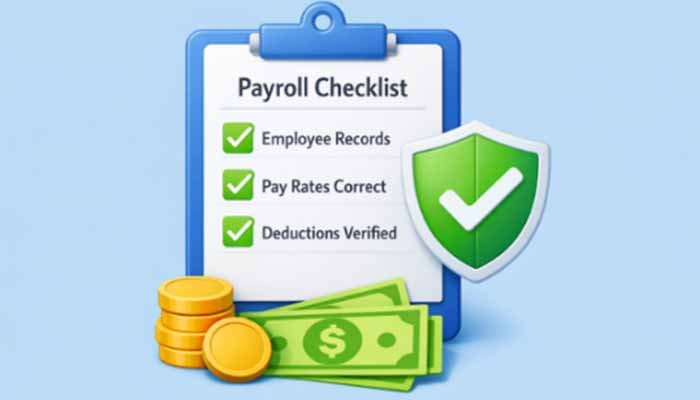
Avoiding Payroll Errors: Choosing the Right System for Accuracy
Table of Contents
Accurate payroll processing is not just about paying employees on time. It is a foundation for maintaining staff trust, staying compliant with regulations, and protecting your company from costly mistakes. Payroll errors can result in penalties, lost productivity, and damaged reputations, so selecting the right system becomes a critical strategy for business success. For a comprehensive breakdown of trusted solutions, see ADP’s guide to the best payroll software providers for small businesses. When businesses invest in streamlining their payroll, they build more resilience against common pitfalls. A proactive approach to payroll management means fewer headaches, smoother operations, and better job satisfaction for your employees. Given the fast-changing legal landscape and evolving workforce needs, your choice of payroll system can be the safeguard that directly impacts both compliance and your bottom line.
Successful payroll management is about more than prevention. It provides opportunities for transparency and empowerment among your staff, while minimizing costly errors that can quickly escalate out of proportion. Understanding the risks and how to address them is vital before you decide which solution to implement. The right payroll system not only protects your business but also saves administrative time and allows your finance and human resources teams to focus on strategic initiatives. Learning what features to prioritize and best practices for adoption is essential for organizations of all sizes.
Common Payroll Errors
Payroll mistakes can creep into even well-run companies. A survey by Ceridian found that 85 percent of businesses encountered issues with their payroll technology, and 69 percent experienced payroll data problems. Here are some of the most frequent and costly payroll errors that organizations face:
- Misclassifying Employees: Labeling someone as an independent contractor rather than a full employee may lead to missed benefits, unpaid taxes, and legal action.
- Incomplete Records: Sloppy record-keeping can cause calculation discrepancies or make it impossible to resolve disputes if they arise.
- Overlooking Fringe Benefits: Failure to track and include perks and supplementary benefits in payroll can result in underpayment and incorrect tax reporting.
- Wage Garnishment Noncompliance: Ignoring or improperly calculating court-mandated deductions can leave your company exposed to fines and legal consequences.
- Missing Deadlines: Delaying tax or wage payments can pile on late fees and attract regulatory scrutiny, harming your organization’s reputation.
Impact of Payroll Errors
The effects of payroll mistakes extend far beyond a few dollars lost. Consistent errors erode employees’ confidence in their employer’s competence, which can damage morale and increase turnover. Moreover, businesses operating in highly regulated markets risk audits, fines, and ongoing scrutiny if they fail to maintain payroll accuracy.
Features of Effective Payroll Systems
The key to transforming payroll from a risk to a resilient business function lies in adopting a solution that prevents errors before they occur. Look for these core features in any payroll platform you evaluate:
- Automation: Reduces reliance on manual calculations or data entry, which are leading sources of human error.
- Compliance Management: Automatically updates when laws or tax rules change, reducing compliance risks.
- Integration Capabilities: Links with other critical HR and accounting systems, ensuring data consistency throughout your organization.
- Employee Self-Service Portals: Allow staff to view pay stubs, update information, and report problems, increasing visibility and reducing HR workload.
Evaluating Payroll Software
Selecting the best payroll software means matching its capabilities to your business’s unique requirements. Here is a structured approach to making the right choice:
- Identify Business Needs: Assess the size of your team, the complexity of your pay structures, and any recurring compliance concerns.
- Research Providers: Investigate providers with strong reputations and a solid track record, focusing on those with favorable user reviews and industry experience.
- Request Demos: Ask for trial periods or product demonstrations to let your team see the software in action before committing.
- Check for Compliance: Ensure the platform monitors relevant laws at the federal, state, and local levels so you never miss critical updates.
- Evaluate Support Services: Verify the availability and quality of customer support resources, as fast assistance can prevent minor issues from becoming major headaches.
Best Practices for Implementation
Adopting a new payroll system is a major operational change, but with careful planning, it can be a smooth transition. Here are some essential practices to ensure success:
- Data Migration: Take time to carefully transfer existing payroll records, double-checking for errors or missing information before you go live.
- Staff Training: Bring team members up to speed with focused training and resources tailored to their specific payroll responsibilities.
- Regular Audits: Use scheduled reviews to spot-check accuracy and catch issues early, before they affect your workforce or trigger regulatory scrutiny.
- Feedback Mechanisms: Create direct channels for employees to reach out with questions, report discrepancies, or suggest process improvements to optimize system performance continually.
Conclusion
Adopting the right payroll system safeguards the accuracy and efficiency of payroll processes, benefiting both your organization and its employees. By understanding common payroll hazards, recognizing their impact, and focusing on features and procedures that help prevent errors, businesses can enhance compliance, user satisfaction, and financial reliability. Proactive payroll management goes a long way toward building employee trust and protecting your company’s reputation for years to come.